Sustainable School Nutrition and Farming Initiative in Arusha [FUNDING OPEN]

The Beginning of Our Journey Toward Sustainable Community Impact

This is our first project as an organisation, following the success of our earlier grassroots campaign (Arusha 2021). That experience showed us what is possible when communities, donors, and local partners come together — and it inspired COPELI’s formal establishment. Building on the trust and outcomes of our past work, this project marks the beginning of COPELI’s ongoing mission: to ensure not just safe learning environments, but also that no child goes to school hungry.


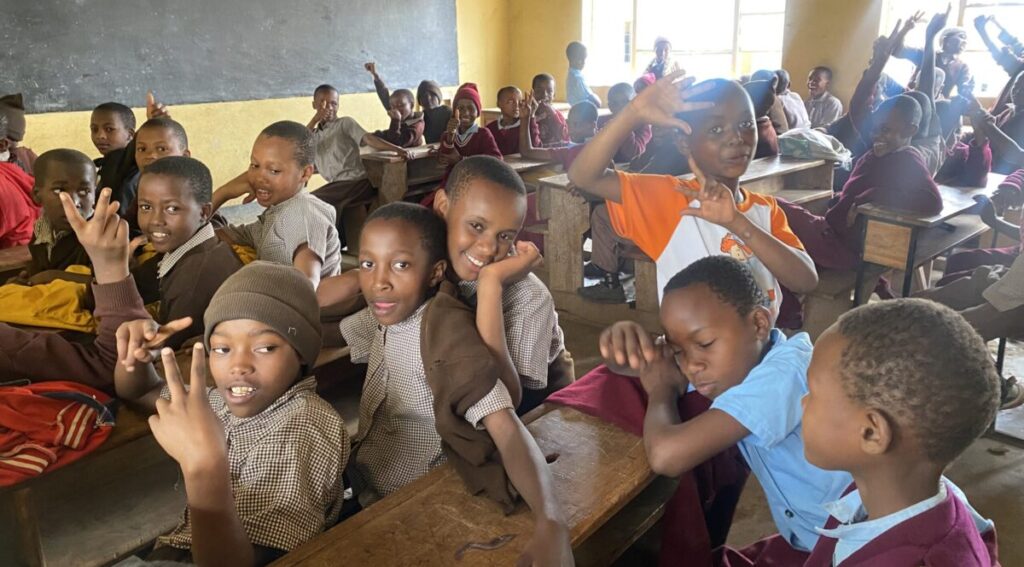
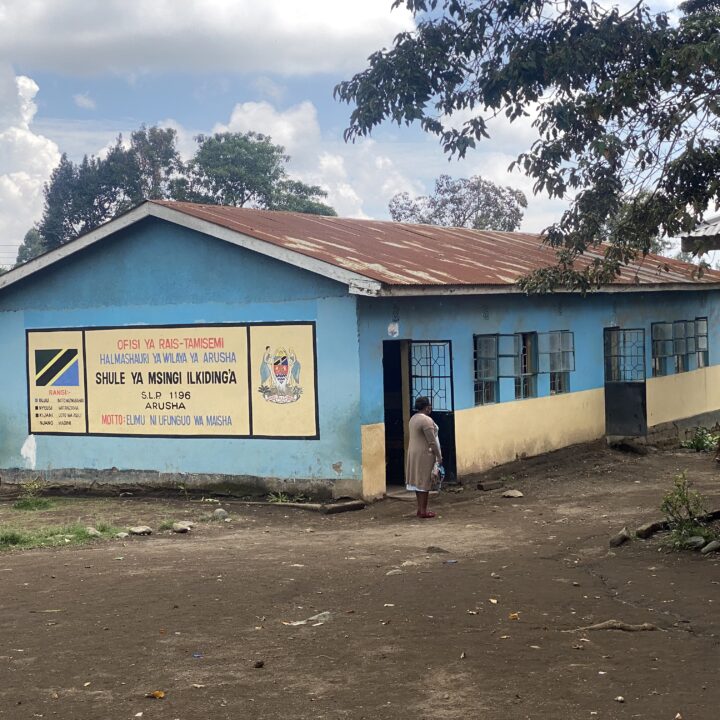
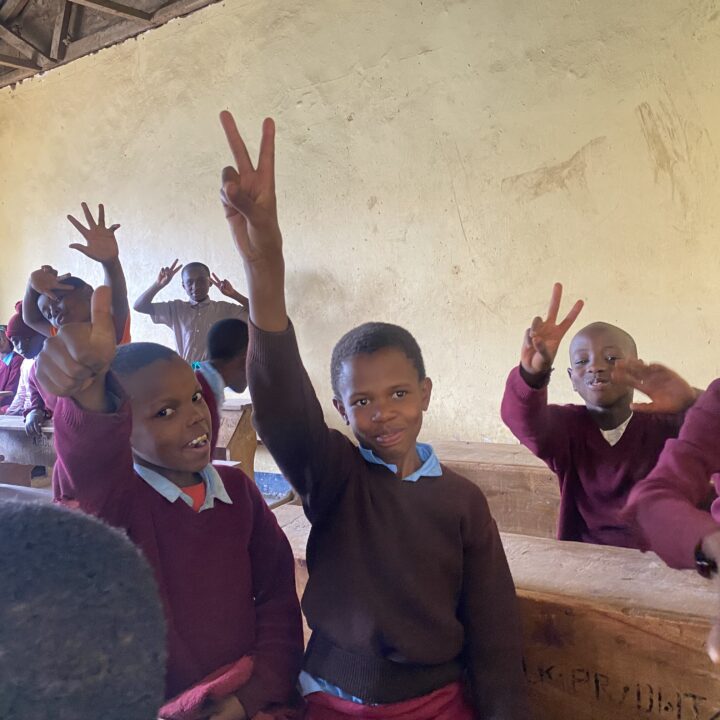
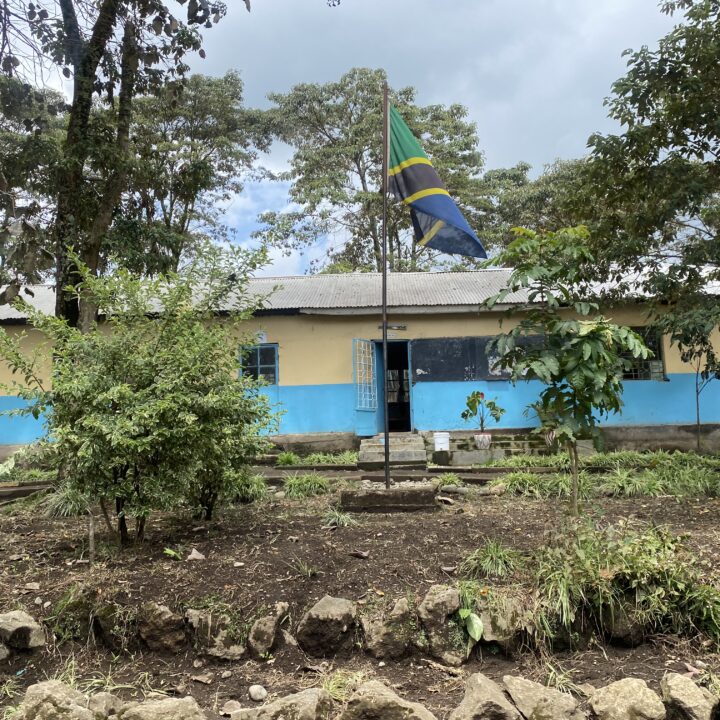
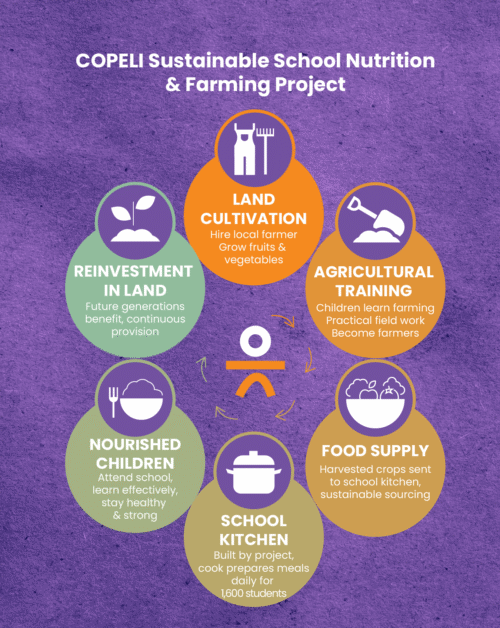
Our goal is to construct a fully operational kitchen facility at Ilkidinga Public Primary School (about 10 km from Arusha city centre), capable of preparing meals for 1,600 students, and to provide one nutritious meal per day to more than 600 students for an entire year. To make this initiative sustainable, we plan to rent and cultivate farmland, where students will learn hands-on agricultural skills while producing vegetables and fruits that supply the school kitchen. This creates a self-sustaining cycle — where farming supports nutrition, and nutrition supports learning — ensuring that children have access to healthy daily meals for years to come.

You can support this initiative by donating or sharing our fundraising campaign 

Every contribution — big or small — helps us bring nutritious meals and hope to more children in Arusha.

Objectives

The Sustainable Food and Farming Initiative in Arusha, Tanzania, is designed to address both the immediate and long-term needs of 1,600 students at Ilkidinga Public Primary School. Our approach goes beyond providing meals—it also focuses on education, empowerment, and sustainability. The following objectives outline the core impact areas we aim to achieve through this project:


1. Improve student well-being and academic focus

This objective aims to provide 600 students at Ilkidinga Public Primary School with daily nutritious meals through a sustainable food program. By addressing food insecurity, the initiative will help improve students’ physical health, concentration, and academic performance. Access to consistent meals during the school day will reduce hunger-related distractions, allowing students to be more present and engaged in their education.


2. Empower students through practical agricultural skills

This objective focuses on equipping students with hands-on knowledge in sustainable farming. Through the guidance of a local agricultural expert, students will learn how to cultivate, maintain, and harvest crops. These skills will not only contribute to the school’s food supply but also prepare students for potential future employment in agriculture once they reach adulthood, fostering independence and long-term community resilience.

Why This PROJECT Matters

Many children in Arusha attend school without consistent access to nutritious meals, which directly affects their health, concentration, attendance, and overall learning. Addressing this challenge requires more than just providing food—it means creating infrastructure, building local capacity, and empowering the community.


Key Challenges:

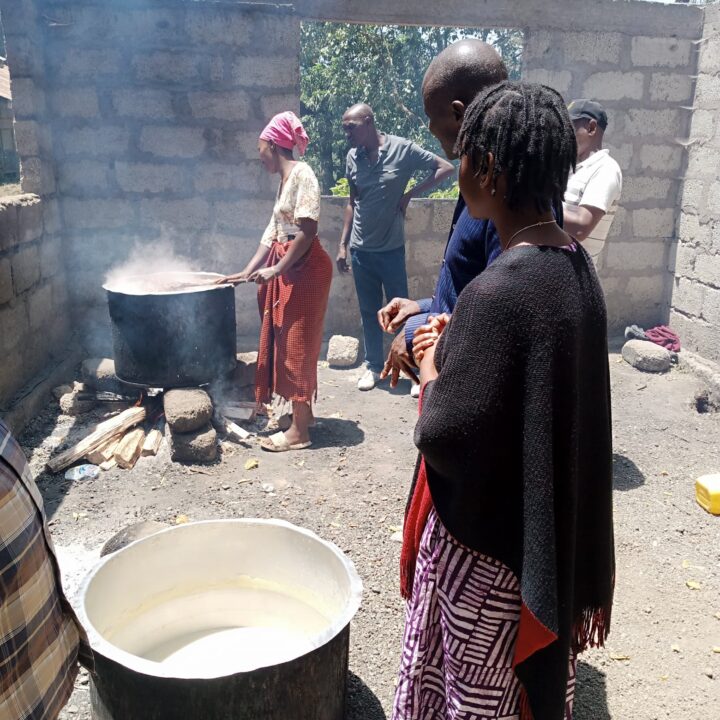
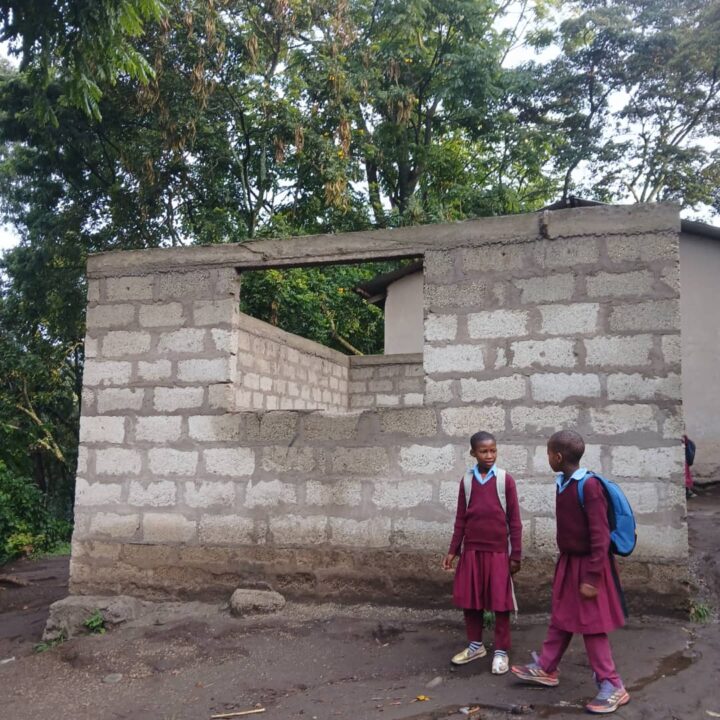
  1. Lack of Kitchen Infrastructure: Ilkidinga public primary school currently lacks the necessary facilities and equipment—stoves, cooking appliances, and proper water infrastructure—to prepare meals for all students.

  2. Abandoned Agricultural Land: The school has a 1/4-acre garden near the premises that is currently unused. Properly cultivated, this land could provide fresh produce for students.

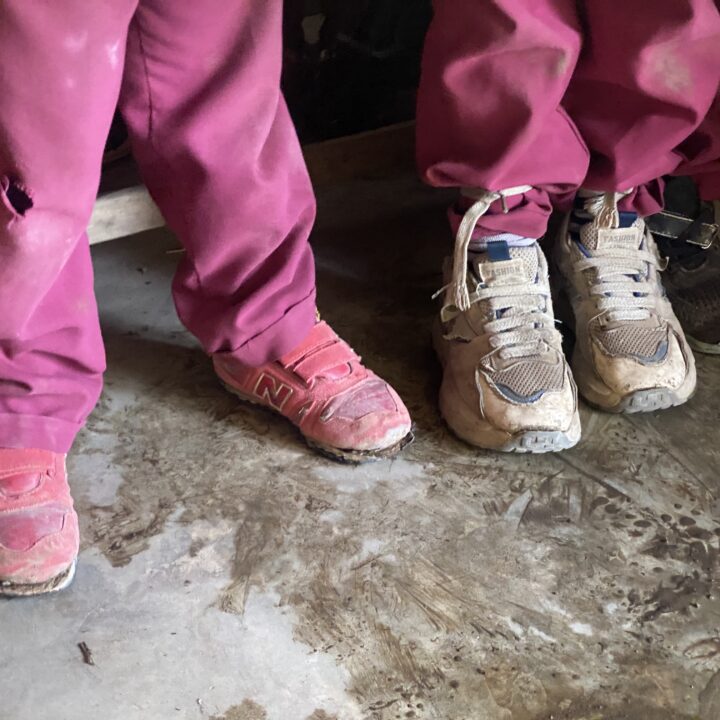
  3. Food Insecurity for 600 Students: Out of 1,495 enrolled students, approximately 600 do not receive meals during the school day, undermining their health and learning potential.

  4. Limited Agricultural Knowledge: Few community members have the skills to sustain farming practices, preventing the effective use of land and local resources to improve food security and economic stability.

How This Project Addresses These Challenges:

  • Reduce food insecurity for more than 600 students by providing one daily nutritious meal for a year.

  • Support 1,600 students through a fully functional kitchen capable of large-scale meal programs.

  • Improve health and learning outcomes by tackling a core barrier to education.

  • Provide hands-on farming training to students, equipping them with practical agricultural skills for future job opportunities and self-sufficiency.

  • Strengthen local capacity by using local labor, sourcing materials locally, and involving school staff in kitchen operations and maintenance.

By combining infrastructure, education, and community empowerment, this project not only feeds children but also builds a foundation for long-term health, learning, and self-sustaining agriculture in the community.

OUR APPROACH

To combat food insecurity and improve student well-being, this project will implement key initiatives:


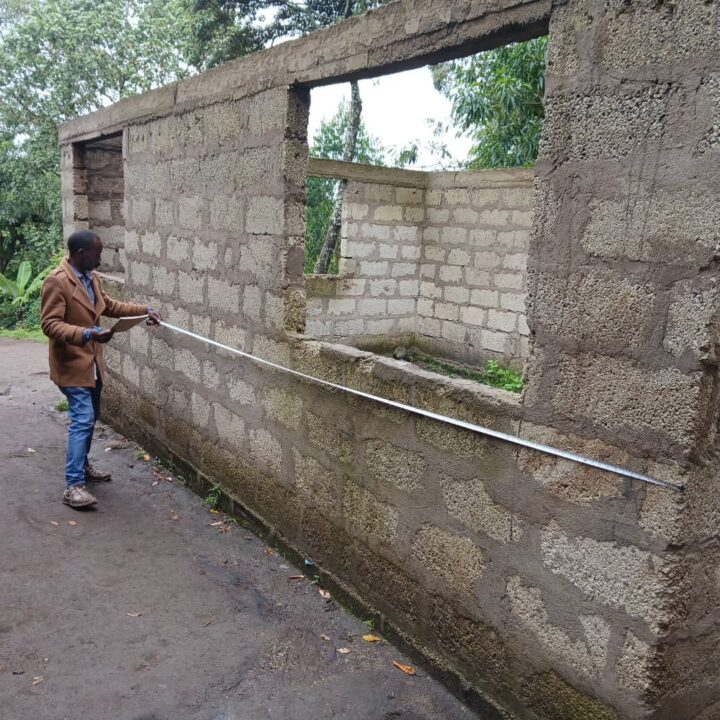
1. Kitchen Infrastructure Development: The project will equip the school with essential kitchen facilities needed for meal preparation, including stoves, cooking utensils, and other necessary supplies. In addition to providing this equipment, the initiative will complete the construction of the kitchen building itself (dimensions: 7.2 x 4.7m), ensuring it is fully functional. This includes installing proper sanitation and water infrastructure, with the associated costs already accounted for in the budget. Once completed, the school will be able to prepare and serve nutritious meals to its students.


2. Hiring a Cook: The project will fund the salary of a cook to prepare nutritious meals for the students daily. The cook will be responsible for meal planning, food preparation, and ensuring hygiene standards are met in the kitchen. This initiative will be implemented on a quarterly basis—once we secure funding for the first three months, the cook will be hired. If funding is available for the following quarter, we will continue supporting this role.


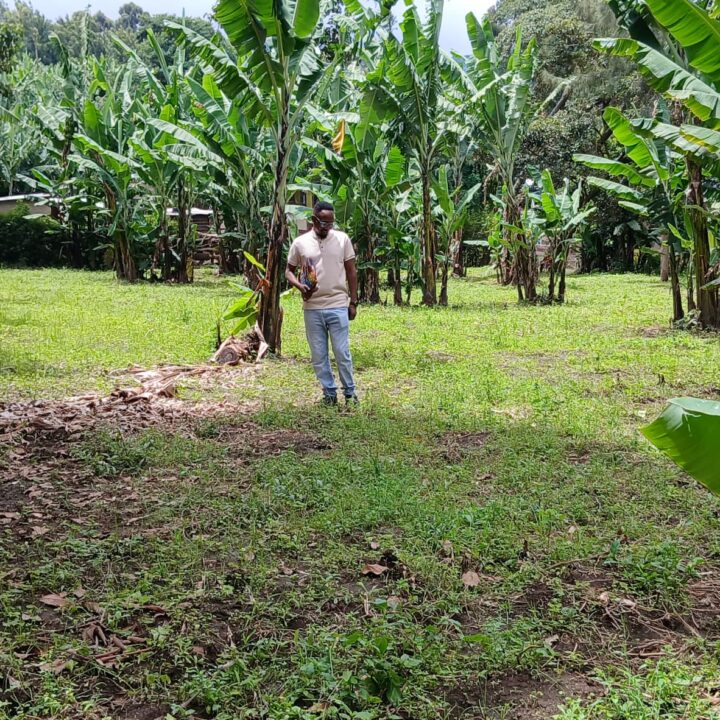
3. Utilizing Church Land for Farming: The 1/4-acre land next to the church (just two minutes from the school) will be revitalized and used to cultivate food, including banana plants, avocado trees, and carrots. This garden will provide fresh produce for the students while also serving as a learning space for agricultural education. The land lease and farming activities will be planned quarterly, ensuring continuity based on available funding.


4. Providing Food for the First Three Months: Since the land will not produce food immediately, the first three months will focus on preparing the soil, planting crops, and training students in agricultural practices. During this period, we need to purchase maize and beans to provide daily meals for all 600 students until the garden begins yielding ingredients for their meals. This initial food supply will ensure that no child goes hungry while we work toward a sustainable food production system.


5. Agricultural Training & Sustainable Farming Practices: A local agricultural expert will be hired to teach students how to cultivate the land, maintain crops, and harvest food. This hands-on training will provide students with valuable agricultural skills, empowering them to contribute to their community and potentially earn a livelihood in the future. Beyond basic farming techniques, the project will introduce sustainable agricultural practices to ensure a continuous food supply for the school. By learning responsible land management, students will develop a long-term understanding of food security, environmental stewardship, and self-sufficiency. Each farming cycle will be planned on a quarterly basis, with expansion and maintenance efforts continuing as long as funding allows.

post_sustainable

PROJECTED OUTCOMES

This program is designed to transform daily life for students in Arusha by improving nutrition, strengthening food security, and building long-term community capacity. Through upgraded kitchen facilities, daily school meals, and hands-on agricultural training, the project aims to enhance student health, boost attendance and concentration, and empower local staff with sustainable skills. The impact will be monitored through baseline data, follow-up assessments, and continuous community involvement to ensure long-lasting results.

MetricTarget / Outcome
Students benefiting from improved kitchen infrastructure1,600
Students receiving daily meals for one year>600
Students trained in farming & agricultural skills>500
Improved school attendance & concentrationMeasurable increase (to be tracked)
Improved nutritional status (health parameters)Baseline & follow-up measurement planned
Local capacity built (staff, maintenance, food sourcing)Full local involvement

Project Budget

The project is divided into the following milestones. Once the necessary funds for each milestone are secured, the activities will start immediately.

A. Kitchen infrastructure development

ItemCost (€)
Completing kitchen building construction1390
Stove construction275
Water supply and drainage system95
Kitchenware/Utensils1140
Total2900

B. Quarter 1 food procurement

ItemCost (€)
Maize 2200 kg780
Beans 528 kg450
Total1230

C. Quarter 1 expenses

ItemCost (€)
Church land lease100
Agricultural supplies procurement (seeds)100
Agricultural Expert salary (Agricultural training for students and land farming)100
Cook salary150
Community Liaison salary450
Project Manager salary310
Total1210

D. Quarter 2 expenses

Same as above minus Project Manager salary and seeds: 800 euros


E. Quarter 3 expenses

Same as above: 800 euros


F. Quarter 4 expenses

Same as above: 800 euros


* Quarter = 3 months


Total expenses for Quarter 1: 5340 euros

Total expenses for 1 full year: 7740 euros


The final amount has been rounded up to 8000 euros to account for unforeseen fluctuations in exchange rates and potential changes in product prices.

Why COPELI

COPELI has already demonstrated strong capacity through impactful school renovation projects in Tanzania — including improved toilets, classrooms, and water systems — even before the organization was officially founded. Our sustainable school nutrition and farming initiative in Arusha builds on that foundation, guided by the same principles of accountability, transparency, and strong local partnership. We believe that meeting children’s essential needs — safety, hygiene, and nutrition — is the first step toward unlocking their full potential in education and in life.

 

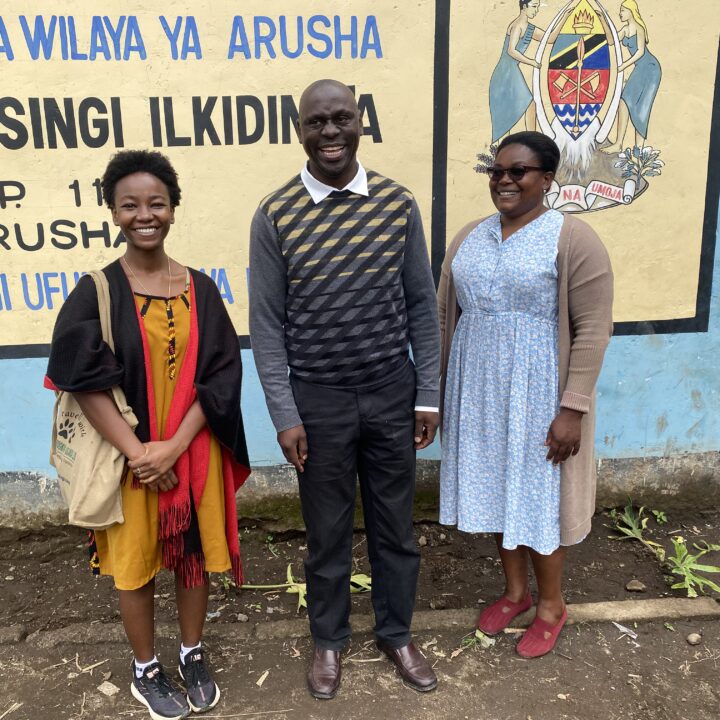
Ms. Mkunde Deborah Mrema, our Community Liaison in Arusha, strengthens this effort with her unique blend of scientific, therapeutic, and community development expertise. With a BSc in Medicinal Chemistry & Chemical Biology and an MA in Narrative Therapy & Community Work (in progress), she brings academic depth paired with extensive field experience. Her work across Tanzania, Rwanda, Kenya, and Mozambique — including trauma-informed youth support, program leadership at St. Lucia Nursing Home, consulting for ARCT-Ruhuka, and co-research with the Children’s Rights Innovation Fund — reflects her commitment to healing-centered, community-driven change.


Together, COPELI’s proven operational capacity and Deborah’s on-the-ground leadership create a strong foundation for the Arusha farming and nutrition initiative. This partnership ensures that the program is not only technically sound and community-led, but also grounded in dignity, wellbeing, and sustainable impact for the children and families we serve.

Monitoring and Impact Assessment

The success of the project will be monitored through the following:


1. Regular Food Distribution Tracking: A monitoring system will be put in place to track the number of meals served daily to students. This will ensure that all 600 students receive a meal and allow the project team to adjust operations as needed.


2. Agricultural Output Measurement: The amount of food harvested from the garden will be measured regularly. This will include the number of crops grown (e.g., bananas, avocados, carrots), and the quantity used to prepare meals for the students. It will also track any surplus produced for future use or community distribution.


3. Student Participation in Farming: The students’ involvement in agricultural activities will be tracked to ensure that they are actively learning about farming techniques. Feedback will be collected from teachers and the agricultural instructor on the level of student engagement and skills development.


4. Quarterly Impact Review: At the end of the first quarter, the project’s overall impact will be evaluated. This will include an assessment of how many students were fed, how much food was cultivated, and the students’ learning outcomes. Surveys will be conducted with students, teachers, and community members to gather qualitative data on the project’s effectiveness.


5. Sustainability and Long-term Plans: The project’s long-term sustainability will be evaluated based on the ongoing productivity of the garden and the continued operation of the kitchen. An annual budget review will determine the need for continued funding, including the cook’s salary and any additional resources required for maintenance.


6. Social Media Updates: We will keep our supporters informed with regular updates on project progress, milestones, and daily activities through our social media channels, ensuring transparency and engagement every step of the way.

Sustainability

This project is designed to create lasting impact by addressing both immediate needs and long-term community resilience. By building a fully equipped kitchen and revitalizing the school’s agricultural land, we ensure that nutritious meals can be provided consistently for years to come.


Students gain hands-on farming skills, equipping them with practical knowledge they can carry into adulthood, while school staff and local labor are trained to manage and maintain the kitchen and garden. Sourcing materials locally and engaging the community strengthens ownership and reduces dependency on external support.


Through this combination of infrastructure, education, and community empowerment, the project establishes a self-sustaining model that improves children’s health, learning outcomes, and food security—benefiting not only current students but future generations as well.

JOIN THE MISSION

This project is only possible through the generosity of donors, sponsors, and partners. Your contributions will go directly toward construction, equipment, food supply, training and local coordination. Even small donations make a difference. If you’d like to see this project in action – through photos, updates, and stories from the students – we commit to full transparency. You’ll see exactly how funds are used and what impact is achieved. 

Every contribution — big or small — helps us bring nutritious meals and hope to more children in Arusha. Asante sana!


Help 1600 children in Arusha access daily nutritious meals and hands-on farming skills